

Fall Vegetable Planting Schedule for San Antonio, TX Area
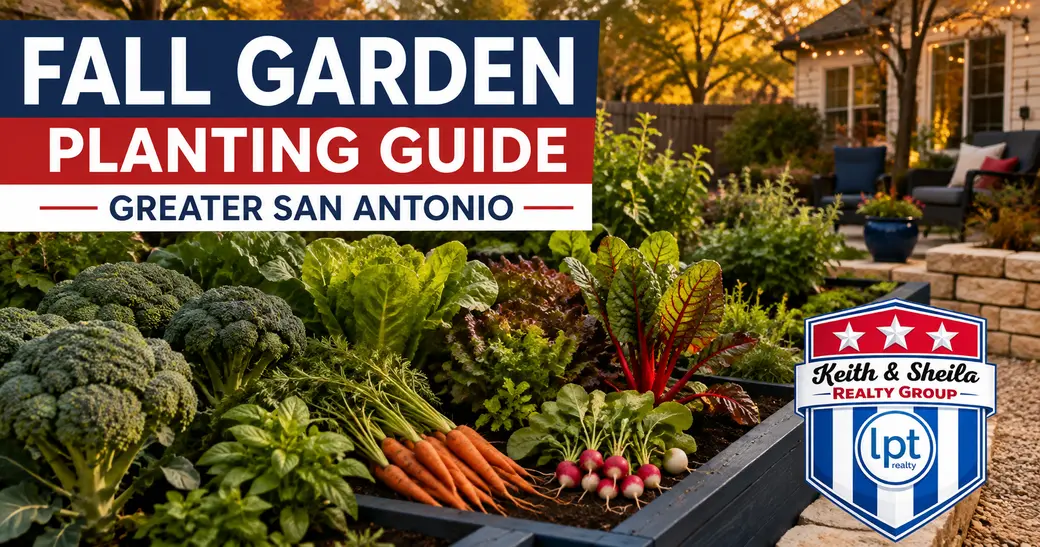
Fall Vegetable Planting Schedule for Greater San Antonio
Fall is one of the best vegetable-gardening seasons in Greater San Antonio. By planting warm-season crops early and cool-season crops as temperatures ease, local gardeners can harvest fresh vegetables and herbs well into winter.
Our long, hot summers make timing especially important. Tomatoes, peppers and squash need enough time to produce before freezing weather, while broccoli, carrots, lettuce and other cool-season vegetables often perform better after the most intense heat has passed.
This practical calendar is based primarily on planting guidance from the Bexar County Master Gardeners and Texas A&M AgriLife Extension. Use the dates as local averages, then adjust for your neighborhood, the weather forecast and whether you garden in the warmer urban core or a cooler outlying area.
San Antonio Fall Planting Calendar at a Glance
| Planting period | Best crops to start | Main goal |
|---|---|---|
| Mid to late August | Beans, broccoli, Brussels sprouts, cabbage, carrots, cauliflower, chard, collards, cucumbers, radishes, summer squash and turnips | Establish warm and transitional crops while beginning the first cool-season plantings. |
| September | Broccoli, carrots, chard, garlic, lettuce, mustard, parsley, radishes, spinach and turnips | Shift the garden toward cool-season vegetables as nights become milder. |
| October | Beets, broccoli, carrots, celery, garlic, lettuce, parsley, radishes, spinach and turnips | Build the heart of the winter garden with frost-tolerant crops. |
| November | Broccoli, carrots, celery, onions, radishes, spinach and strawberries | Continue cold-tolerant crops and begin local short-day onions. |
Month-by-Month Fall Garden Planting Schedule
Mid to Late August
Plant from seed or seed pieces:
- Bush beans: beginning about August 13
- Lima beans: approximately August 13–28
- Carrots: beginning about August 20
- Sweet corn: approximately August 13–23
- Cucumbers: beginning about August 13
- Creole or Italian garlic cloves
- Southern peas: beginning about August 13
- Irish potatoes: beginning about August 20
- Radishes and summer squash: beginning about August 13
- Turnips: beginning about August 20
Plant from transplants or seed: broccoli and Brussels sprouts beginning around August 20; cabbage; cauliflower beginning around August 11; and chard, collards, kohlrabi, mustard and parsley beginning around August 20.
Watch the heat: Newly planted seed beds and transplants may need frequent moisture checks. Use temporary afternoon shade for young transplants if needed, but remove it once plants establish.
September
Early-month planting windows:
- Bush beans, beets, cucumbers, southern peas and summer squash: through about September 10
- Brussels sprouts, cabbage, collards and kohlrabi: through about September 10
- Irish potatoes: through about September 10
Plant throughout the month: carrots, Swiss chard, garlic, leaf lettuce, mustard, parsley, radishes, spinach transplants and turnips.
Broccoli: Set out transplants beginning around September 15 for another cool-season planting.
Succession tip: Sow small amounts of radish, lettuce and other quick crops every 10 to 14 days rather than planting the entire seed packet at once.
October
Plant now:
- Beets through approximately October 15
- Broccoli transplants
- Carrots
- Celery transplants
- Creole or Italian garlic cloves
- Leaf lettuce
- Mustard and parsley through approximately October 10
- Radishes
- Spinach transplants
- Turnips
- Strawberry crowns
October is prime time for leafy greens and root vegetables. Keep the soil surface evenly moist while small seeds germinate, especially carrots, which can be slow and uneven to emerge.
November
Plant now:
- Broccoli transplants
- Carrot seed
- Celery transplants
- Short-day red, white and yellow onion sets beginning around November 15
- Radishes through approximately November 25
- Spinach transplants
- Strawberry crowns
As colder weather approaches, keep frost cloth ready. Anchor it to the ground so it traps warmth, and support it above tender plants when practical.
Which Fall Vegetables Handle Frost?
Grouping vegetables by cold tolerance makes frost protection and bed cleanup easier.
More Frost-Tolerant Crops
Beets, broccoli, Brussels sprouts, cabbage, carrots, cauliflower, Swiss chard, collards, garlic, kale, lettuce, mustard, onions, parsley, spinach and turnips can tolerate colder conditions better than warm-season vegetables. A hard freeze can still damage some plants, especially seedlings, so frost cloth remains useful.
Frost-Sensitive Crops
Beans, corn, cucumbers, eggplant, okra, peas, peppers, Irish potatoes, squash and tomatoes can be injured or killed near freezing. Plant these early enough to mature, and group them together so they can be protected or removed efficiently.
Fall Herbs That Grow Well in San Antonio
Cooler weather is an excellent time for cilantro, dill and parsley. Cilantro can be succession-sown every few weeks for a steady supply of young leaves. Rosemary, thyme, oregano, sage and chives also grow well locally when planted in well-drained soil. Keep mint contained in a pot because it spreads aggressively.
Basil is still useful in early fall, but it is frost-sensitive and will usually decline when cold weather arrives.
How to Prepare a San Antonio Fall Vegetable Garden
- Choose enough sunlight. Most vegetables perform best with at least eight hours of direct sun. Afternoon shade can help new plants during late-summer establishment.
- Remove exhausted plants and weeds. Discard plants with heavy insect or disease damage instead of placing them in a home compost pile.
- Improve the soil. Work quality compost or other suitable organic matter into the bed. A soil test is the best guide before adding fertilizer.
- Water the bed before planting. Begin with evenly moist—not saturated—soil, then keep the seed zone from drying out during germination.
- Add mulch after seedlings establish. A light organic mulch helps reduce evaporation, moderate soil temperature and suppress weeds.
- Use drip irrigation or a soaker hose. Apply water slowly at soil level and check moisture below the surface before watering again.
- Follow current watering rules. Drought stages and watering schedules can change, so verify the latest rules for your water provider and municipality.
Common Fall Gardening Mistakes to Avoid
- Waiting for cool weather to plant everything. Warm-season fall crops may run out of time before the first freeze.
- Overwatering transplants. Late-summer plants need consistent moisture, but constantly saturated soil can damage roots.
- Planting the entire seed packet at once. Succession planting produces a longer, more manageable harvest.
- Ignoring mature plant size. Give broccoli, cabbage and other large crops enough room so they do not shade smaller vegetables.
- Following a national calendar. Use Bexar County and South-Central Texas guidance because San Antonio’s seasons differ from much of the country.
Frequently Asked Questions
When should I start a fall vegetable garden in San Antonio?
Begin planting selected fall crops in mid to late August. Continue with cool-season vegetables through September, October and November. The best date depends on the crop, current heat and your location within the Greater San Antonio area.
What vegetables grow best in San Antonio during fall?
Reliable choices include broccoli, cabbage, carrots, chard, collards, garlic, lettuce, mustard, radishes, spinach and turnips. Beans, cucumbers and summer squash can also produce in fall when planted early enough.
Can I grow tomatoes in a San Antonio fall garden?
Yes, but fall tomatoes need an early start. Local guidance generally favors setting out healthy transplants in July so plants have time to flower and ripen fruit before cold weather. By late August, a new planting may not have enough time unless conditions remain unusually favorable.
What can I plant in October in San Antonio?
October is a good month for beets, broccoli transplants, carrots, celery transplants, garlic, leaf lettuce, mustard, parsley, radishes, spinach transplants, turnips and strawberry crowns.
Do fall vegetables need full sun in San Antonio?
Most vegetable crops perform best with at least eight hours of direct sun. Leafy greens and some root crops can produce with less light, but yields are generally better in full sun. Temporary afternoon shade can help new transplants establish during late-summer heat.
How often should I water a fall vegetable garden?
Water according to soil moisture, plant size, temperature and rainfall rather than a fixed daily schedule. Seeds and new transplants need consistent moisture near their roots, while established plants benefit from slower, deeper watering. Always follow current local watering restrictions.
Growing Roots in Greater San Antonio?
Whether you want space for raised beds, a larger backyard or a home with room for a workshop and garden, Keith & Sheila can help you find the right fit across the San Antonio area.
Local gardening references: Bexar County Master Gardeners Vegetable Planting Calendar, Texas A&M AgriLife Fall Vegetable Gardening Guide, and current SAWS watering rules. Dates are local averages and should be adjusted for weather and site conditions.
Categories
Recent Posts










"Words cannot express our gratitude and thankfulness that Keith provided us when buying our home. Being a military family and not being able to physically be there is beyond challenging buying a house unseen. He made this whole process so pleasant and easy, always easing our minds because he had our complete best interests in his hands. He took the time to send videos, pictures, and did several walk-through of the home to make us feel like we were there. You can easily tell Keith has years of experience , always answering questions and helping us every step of the way! He was extremely helpful in guiding us through the process of buying our home, and making sure that everything was taken care of promptly and correctly. He has been nothing but extremely responsive and excellent since the first phone call! Keith is incredibly knowledgeable, a go-getter, and super professional. We truly sat in passenger seat and let Keith do the driving. He went above and beyond to find the perfect home for us. There's not another realtor out there that could've provided us with the ease and comfort knowing we were making all the right decisions! Keith and Sheila have our highest recommendation, and we wouldn’t ever want to work with any other agent. We will refer our friends and family to Keith and Sheila Realty again and again!" Nicole Olson - 2024